




- Find the best broker for your trading needs
- Compare spreads, fees, and platforms
- Read in-depth reviews and analysis


Select a different country or region to view content tailored to your location.

FxScouts helps traders across the globe by meticulously testing and reviewing online brokers and providing Forex education and market analysis. Our partners compensate us through paid advertising. While partners may pay to provide offers or be featured, they cannot pay to alter our recommendations, advice, ratings, or any other content. Our content and research teams do not participate in any advertising planning nor are they permitted access to advertising campaign data. For more detailed information click this link.

Alison Heyerdahl is the Head of Content at FxScouts, a Chartered Market Technician (CMT), and an experienced trader, as well as a financial writer with extensive expertise in Forex trading, broker analysis, and market research. She has reviewed 100+ brokers, publishes weekly YouTube trading videos, and co-hosts the “Let’s Talk Forex” podcast.

Alison Heyerdahl is the Head of Content at FxScouts, a Chartered Market Technician (CMT), and an experienced trader, as well as a financial writer with extensive expertise in Forex trading, broker analysis, and market research. She has reviewed 100+ brokers, publishes weekly YouTube trading videos, and co-hosts the “Let’s Talk Forex” podcast.
Chris Cammack is the Partner Manager and a financial writer at FxScouts. Chris builds and maintains our relationships with our partners to provide our users with the best Forex trading experience.
The Financial Sector Conduct Authority, formerly the FSB, is the government agency responsible for regulating South African brokers. Although the FSCA isn’t the strictest regulator in the world, it has put in place several rules to protect Forex traders better. One of these measures is that Forex brokers operating in South Africa have to segregate their client funds from their operational funds and are inspected regularly to ensure they are safe.
We understand that traders have different needs. Beginner traders may want a broker with excellent educational materials, while more experienced traders may look for a broker with fast execution and advanced trading tools. Others want high levels of leverage or low deposit accounts. The FSCA-regulated brokers below cater to these differing needs but are also listed because of their excellent reputations in the Forex trading industry.
These are the best FSCA-regulated Forex brokers for 2026.
Trusted. Transparent. Tested.
For over a decade, we’ve set the standard in forex broker reviews—collecting thousands of data points yearly to deliver unbiased, expert-backed insights. Read our full review process here.
Skip the trial and error! Below, you’ll find the best forex brokers for South African traders for 2026—thoroughly tested, verified, and ranked, so you can trade with confidence.

Swipe to scroll
Broker | Broker Score Our overall rating evaluates brokers on platform quality, fees, service, regulation, and instruments. Higher scores reflect better performance and reliability. | Official Site Click to visit the broker’s official website for more information and to open an account. | FSCA (SA) Regulated | FSP # | Min. Deposit The minimum amount of money required to open an account with this broker. | Max. Leverage (Forex) Maximum leverage for forex trading is the ratio of borrowed funds you can use to increase your position size. Other instruments may have different leverage limits. | Beginner Friendly Shows how suitable the broker is for new traders, based on ease of use, education, support, and platform features. | EUR/USD - Standard Spread This is the spread on EUR/USD using the account with the smallest deposit requirements. | Platforms Displays the financial regulators licensing the broker, shown by national flags, ensuring compliance with financial standards for safer trading. | Compare |
|---|---|---|---|---|---|---|---|---|---|---|
 | Yes | 50926 | USD 100 | 500:1 | Excellent | 0.00 pips | MT4, MT5, cTrader, TradingView | |||
 | Yes | 45984 | ZAR 1900 | 400:1 | Excellent | 0.90 pips | MT4, MT5, Avatrade Social, AvaOptions | |||
 | Yes | 46632 | ZAR 0 | 2000:1 | Excellent | 1.00 pips | MT4, MT5, HFM Trading App | |||
 | Yes | 51024 | USD 3 | 0:1 | Standard | 0.70 pips | MT4, MT5, Exness Terminal | |||
 | Yes | 45052 | USD 100 | 200:1 | Excellent | 1.40 pips | MT4, MT5, cTrader, FxProEdge | |||
 | Yes | 46860 | ZAR 1500 | 300:1 | Excellent | 1.00 pips | MT4, MT5, markets.com | |||
 | Yes | 49464 | USD 100 | 1000:1 | Excellent | 0.00 pips | MT4, MT5, TradingView | |||
 | Yes | 45276 | USD 50 | 500:1 | Excellent | 1.20 pips | MT4 |








Select another broker to another broker to compare features, fees, and platforms side by side.
Find Your Ideal Forex Broker
Select another broker to another broker to compare features, fees, and platforms side by side.
0.0 pips
CMA, FSA-Seychelles, FSC, FSCA, ASIC
USD 100
TradingView, cTrader, MT5, MT4
500:1
FP Markets offers ultra-low spreads from 0.0 pips on EUR/USD and deep liquidity via ECN accounts with transparent pricing.
Although headquartered in Australia, FP Markets partners with a local FSCA-authorised representative, offering regional transparency.
Supports algorithmic trading, raw spread feeds, and investor risk tools on MetaTrader platforms.
Offers MAM/PAMM setup for licensed managers handling multiple investor accounts with allocation control.
Traders must use MT4/MT5; there’s no proprietary web or mobile interface for those seeking a modern UI.
FP Markets operates via a juristic rep model, so it's not locally headquartered or fully FSCA-licensed in its own name.
FP Markets | Best For: Active South African traders seeking FSCA-linked ECN execution with MT4/MT5 and scalable PAMM/MAM solutions.

FxScouts
 YouTube
Select another broker to another broker to compare features, fees, and platforms side by side.
0.9 pips
ISA, FRSA, CBI, FSA-Japan, FSCA, ASIC, CySEC
ZAR 1900
AvaOptions, Avatrade Social, MT5, MT4
400:1
Operates through Ava Capital Markets (Pty) Ltd in South Africa, offering local legal protection and client fund segregation.
AvaTrade offers fixed spreads, providing price certainty in volatile markets—ideal for beginners and swing traders.
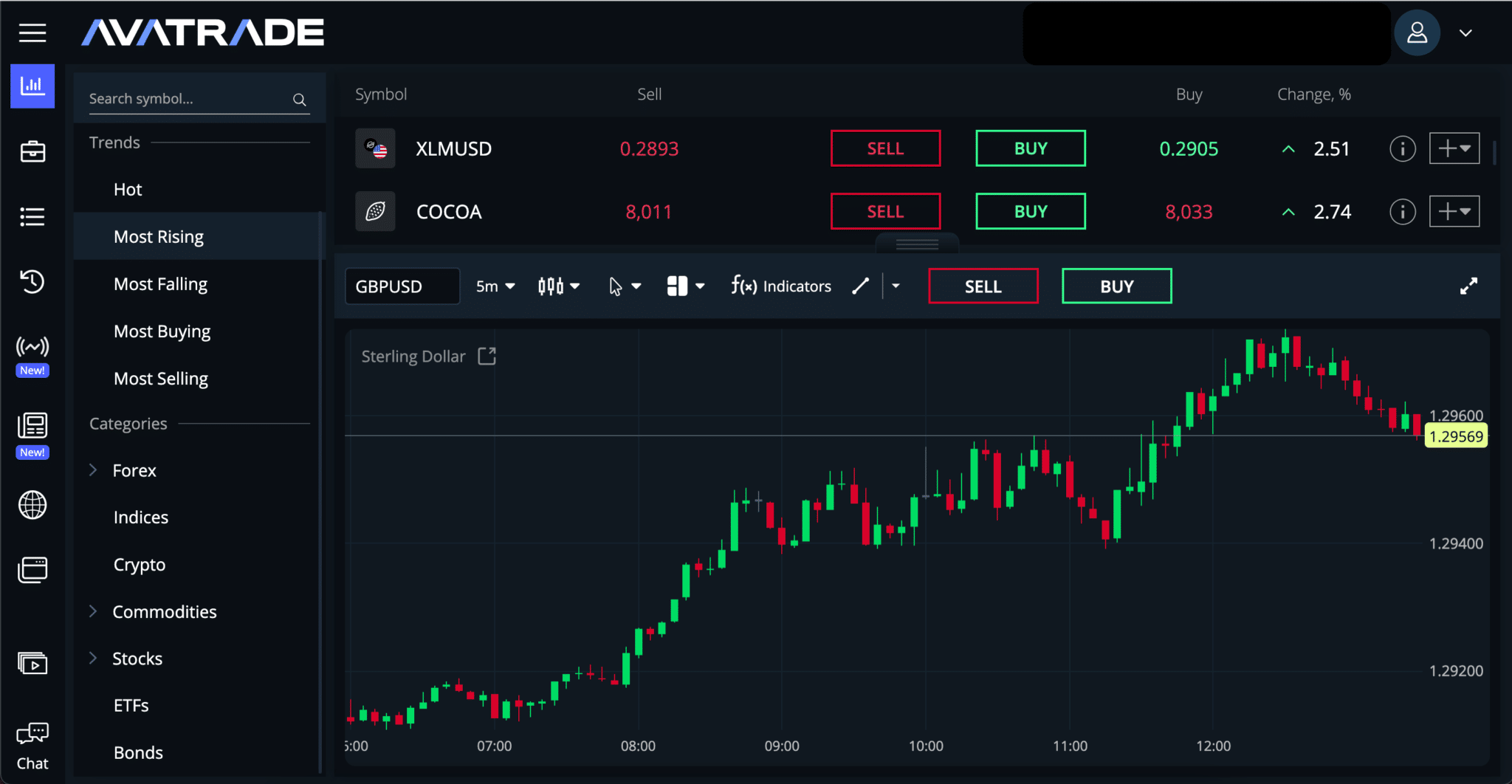
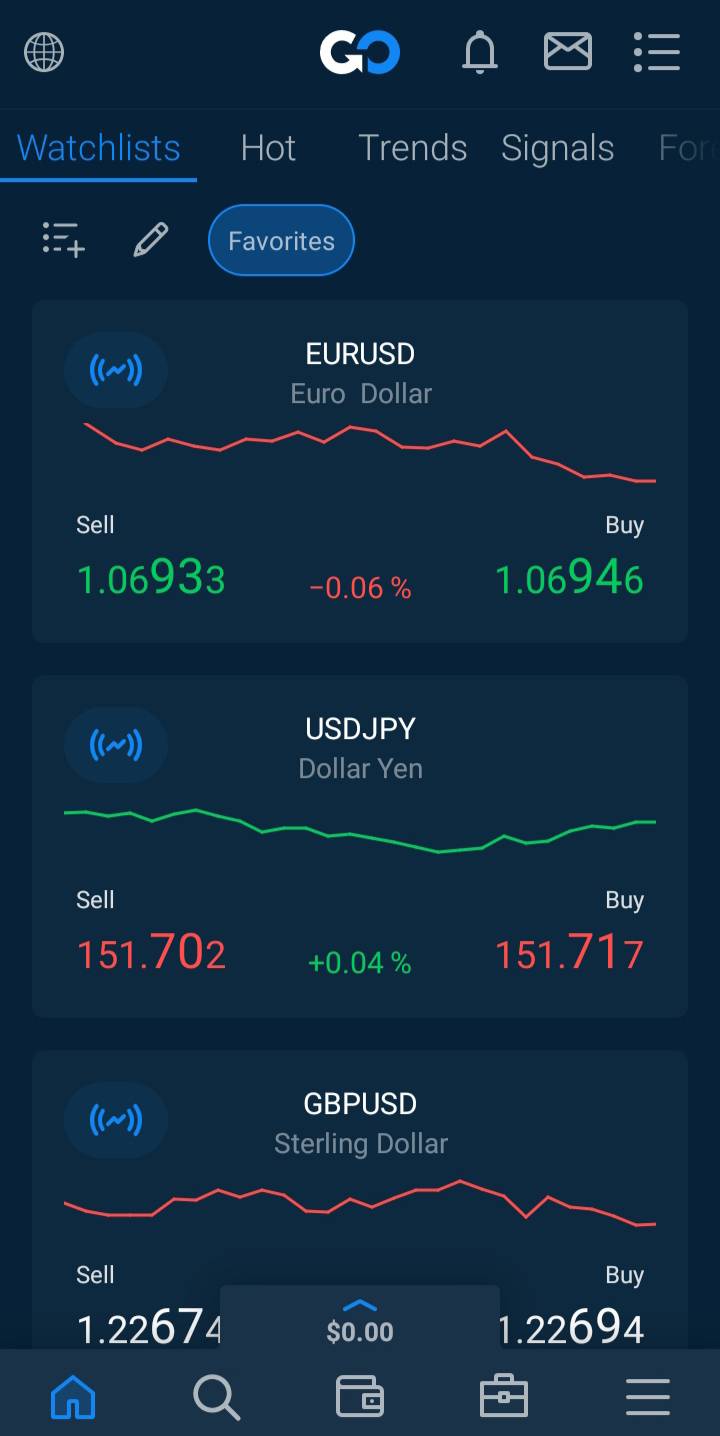
A modern mobile and web trading platform with risk management tools, trend analysis, and Trading Central integrations.
Includes crypto, FX, stocks, ETFs, and options trading—beyond standard forex and CFD instruments.
Does not offer variable or raw spread accounts, which may deter scalpers or day traders focused on cost.
Charges $50 after 3 months of inactivity and $100 after a year, which may affect long-term holders.
AvaTrade | Best For: Conservative traders and beginners who value local FSCA oversight, fixed spreads, and intuitive proprietary platforms.
FxScouts
YouTube
Select another broker to another broker to compare features, fees, and platforms side by side.
0.0 pips
CMA, FSA-Seychelles, FSC, DFSA, FSCA, FCA
ZAR 0
HFM Trading App, MT5, MT4
2000:1
HFM operates via HF Markets SA (Pty) Ltd under FSCA FSP No. 46632, ensuring full compliance and local recourse.
Start trading with no required capital—ideal for risk-averse traders who want to test the platform gradually.
Robust in-house webinars, market analysis, and trading courses for South African traders at all skill levels.
Choose from Premium, Zero Spread, PAMM, and HFCopy accounts based on trading goals or strategy needs.
Micro and Premium accounts come with slightly wider spreads compared to ECN or raw spread brokers.
No unique mobile/web platform; relies on MT4/MT5 and third-party integrations.
HFM | Best For: South African beginners and intermediate traders looking for FSCA-compliant STP execution, low deposits, and educational tools.
FxScouts
YouTube
Select another broker to another broker to compare features, fees, and platforms side by side.
0.1 pips
JSC, CMA, FSA-Seychelles, FSC, B.V.I FSC, FSCA
USD 3
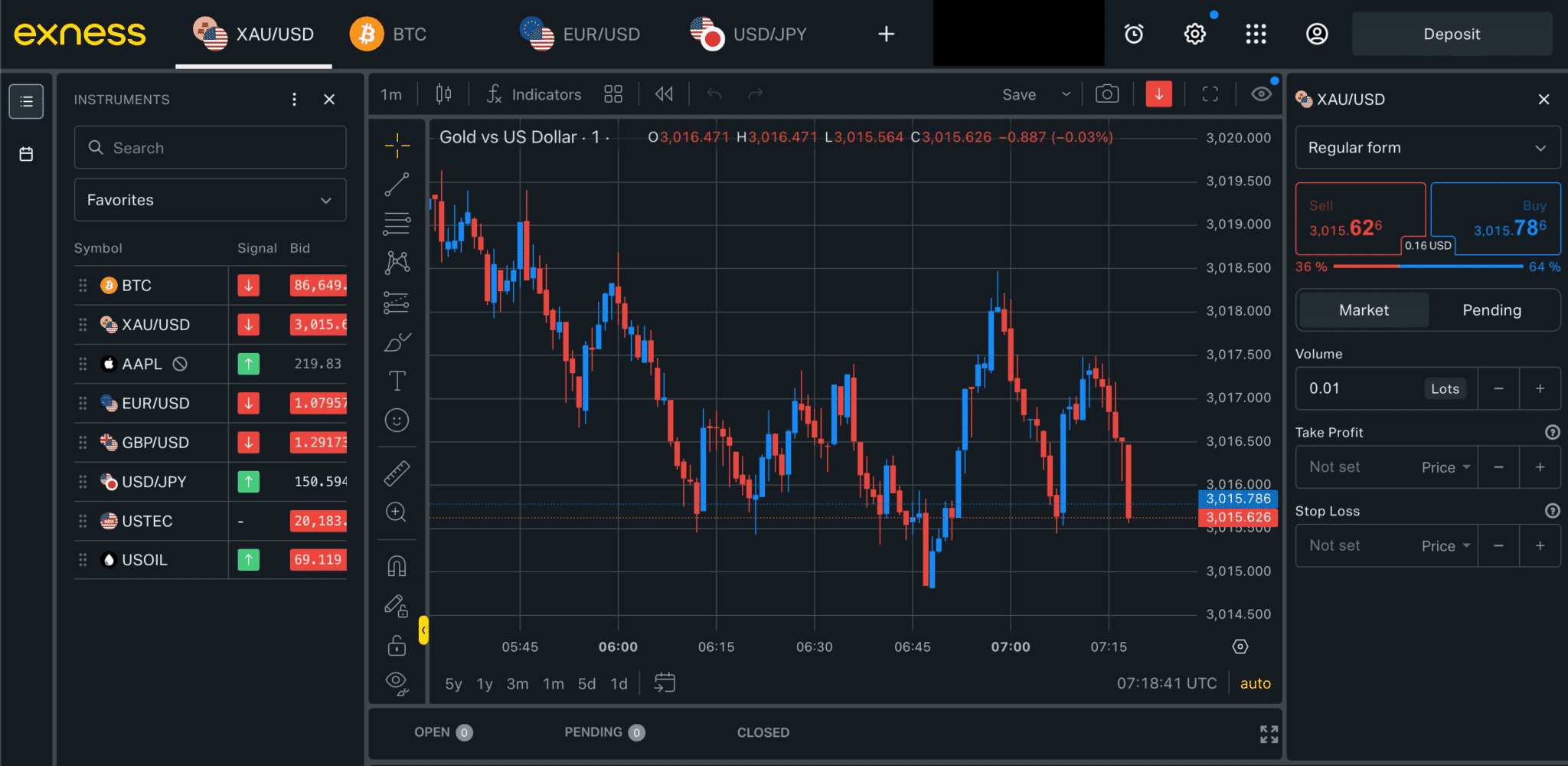
Exness Terminal, MT5, MT4
Unlimited:1
Exness SA (Pty) Ltd is FSCA-approved (FSP 51024), ensuring local fund protection and dispute recourse.
Automated withdrawals processed within seconds via major local and crypto payment channels.
Qualified clients trading via offshore entities can access 1:unlimited leverage, useful for high-risk strategies.
Trade over 30 crypto pairs with 24/7 market access and flexible margin terms.
FSCA license is valid, but most trading services route through Seychelles or other offshore hubs, which may confuse clients.
Exness offers basic learning content, but lacks in-depth market training or advanced trading tutorials for SA clients.
Exness | Best For: High-frequency or crypto traders looking for FSCA oversight, unlimited leverage (offshore), and fast withdrawals.
FxScouts
YouTube
Select another broker to another broker to compare features, fees, and platforms side by side.
0.4 pips
SCB, DFSA, FSCA, FCA, CySEC
USD 100
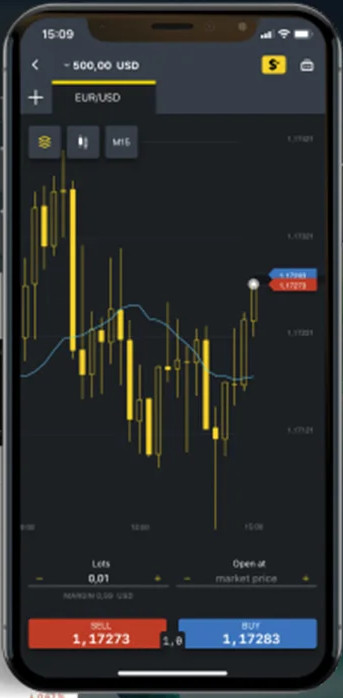
FxProEdge, cTrader, MT5, MT4
200:1
FxPro is authorised and regulated by the Financial Sector Conduct Authority (FSCA) in South Africa under FSP number 45052—offering strong local protection and transparency.
Trade on MetaTrader 4, MetaTrader 5, cTrader, or FxPro’s proprietary web-based platform—ideal for both manual and algorithmic traders.
FxPro uses a No Dealing Desk (NDD) model with average execution speeds under 14ms and 100% automated order processing from top-tier liquidity providers.
Traders using cTrader benefit from raw spreads and low commissions (from $3.50 per lot), while MT4/MT5 accounts feature tight, all-inclusive spreads.
FxPro is also regulated by the FCA (UK), CySEC (EU), and SCB, and has been operating since 2006 with a solid reputation across 170+ countries.
FxPro does not offer sign-up or deposit bonuses—preferring to focus on tight pricing and institutional-grade execution.
While South Africans can deposit in ZAR, accounts are held in USD, EUR, or GBP—conversion fees may apply.

FxPro | Best For: South African traders looking for an FSCA-regulated broker with multi-platform access, tight spreads, and deep liquidity from a globally trusted brand
FxScouts
YouTube
Select another broker to another broker to compare features, fees, and platforms side by side.
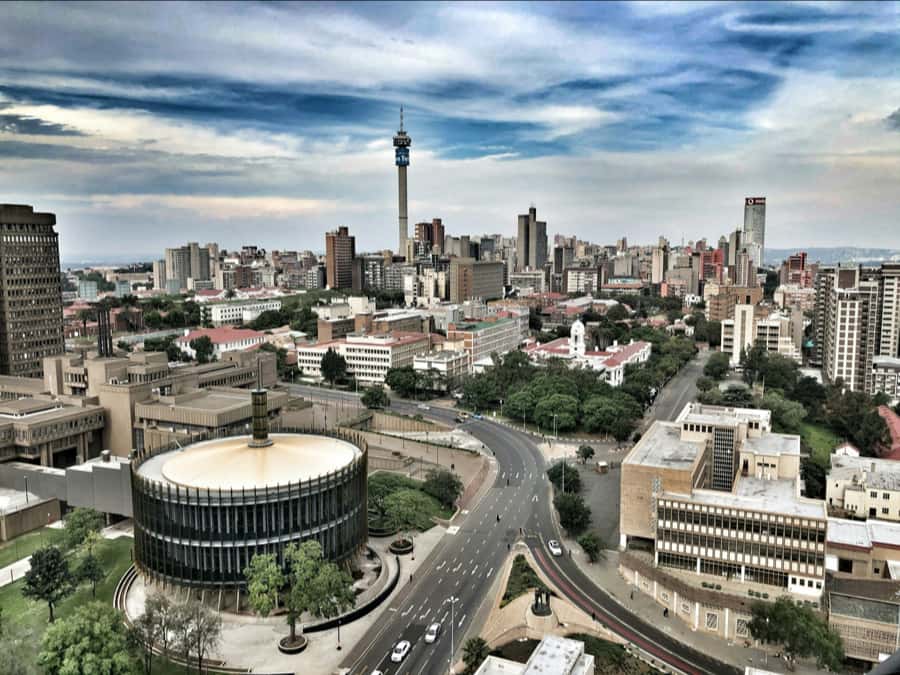

The FSCA, formerly the FSB, is the government agency responsible for regulating South African brokers.
While international brokers can attain FSCA licenses, it is more common for local brokers to have this licensing. If you are choosing a broker, here is what to consider:
Regulation: We list the FSCA license number for each SA-regulated broker to make it easy to verify each broker’s regulatory status. Traders can use this number to confirm the licensing and verify that the license number belongs to the broker in question and is not being loaned by another regulated company. While the FSCA is a respected organization in South Africa, there is additional security in a broker being regulated by international tier 1 regulators like the FCA (United Kingdom) and ASIC (Australia).
ZAR accounts: South African and International brokers can offer ZAR accounts. When a client deposits with the broker, the funds are kept in Rands and not converted to USD, EUR, or GBP. ZAR accounts have both advantages and disadvantages, but should you wish to keep your funds, you will need a broker with ZAR base currency support.
Segregated accounts: FSCA-regulated brokers must keep all client funds in segregated accounts, which keeps client money and company operation money separate and makes client funds more protected from abuse. However, just because the broker must have segregated accounts does not mean they are using South African banks, so if you would rather have your money kept in South Africa, it is wise to register a ZAR trading account with a local broker.
Trading costs: As with comparing brokers of any regulation, it is important to look at what it would cost to trade with any specific broker. When we compare trading costs, we consider what trading one lot of EUR/USD on the entry-level account would cost a trader.
The Financial Sector Conduct Authority or FSCA is the local regulator of all non-banking related activities and has oversight over all regulated brokers in South Africa.
Previously known as the Financial Services Board (FSB), the FSCA was founded in 1991 following the recommendations of Van der Horst committee. The committee recommended the creation of an independent body to supervise and regulate the non-banking financial services sector in South Africa.
In 2018, the FSB changed their name to the FSCA or the Financial Sector Conduct Authority. It is responsible for the market conduct regulation and supervision of financial service providers like Forex brokers, investment funds, and investment managers.
The Financial Sector Conduct Authority has the following four goals:
To achieve these goals, it also creates regulations in the interest of the public and publishes warnings of illegal schemes.
Internationally, the Financial Sector Conduct Authority is a recognised member of the International Organization of Securities Commissions (IOSCO) and is leading in regulation in the SADC block.
The FSCA regulates financial activity in South Africa. It also supervises the Forex currency market to protect Forex traders from illegal actors and rogue brokers. Regulation is the primary way to establish trust in a Forex broker. If you want local protection when trading Forex in South Africa, you want your broker to be regulated locally by the FSCA.
The FSCA issues public warnings about fraudulent brokers in the regularly updated Media Releases section of their website. These warnings include guidance on individuals or companies misrepresenting themselves or organisations falsely representing their services.
This register of FSPs will also show if an entity has submitted an application to the FSCA, if they are in good standing, or if it has been stripped of regulation in the past.


FSCA-regulated brokers must keep client funds segregated from operational funds and must submit regular audits to the FSCA to ensure that client funds are not being misused.
FSCA-regulated brokers must also have a physical office in South Africa, this ensures that any disputes are governed by South African laws. If your FSCA-regulated broker does go bankrupt, you will also be able to walk into any branch of your broker’s local bank and remove all your funds from your segregated account. Gaining access to your funds will not be so easy in the event of a foreign broker’s bankruptcy.
Having a physical office in South Africa allows brokers to partner with local banks, which are governed by South African laws. Local bank accounts also mean that bank transfers between South African clients and brokers are faster and cheaper.
South Africans can trade with brokers which are not regulated by the FSCA, but these organisations are not governed by South African institutions, and funds are not handled by local banks.
Since 2019, the FSCA has required all Forex brokers in South Africa to apply for an Over-the-counter Derivative Provider (ODP) licence. This has created a new set of requirements for South African Forex brokers to follow:
Due Diligence: Brokers now need to conduct due diligence on new traders before they can be allowed to trade. Clients will need to prove their capital adequacy before starting to trade. New traders must also show that they understand the risks involved.
Reporting: Every broker that has been authorised must also report the details of every transaction to an authorised trade repository. These transaction details include the names of the parties, the valuation of the transaction, the underlying asset of the trade, details of the instrument traded, and the margin that has been maintained.
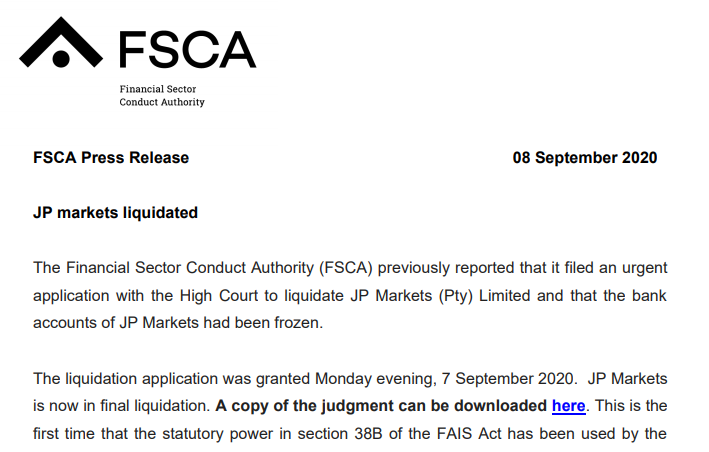
Forex brokers who do not hold an ODP licence are in contravention of the regulations and can be liquidated at the request of the FSCA, as happened to JP Markets in September 2020 (see image above).
These new requirements have firmly established the FSCA as the primary regulator of the Forex industry in South Africa, providing a safer and more secure environment for traders.
All Forex brokers that the FSCA regulates are required to publish their Financial Service Provider (FSP) number on their website. FP Markets is a popular South African Forex broker, and we can see from the bottom of their website that their FSP number is 50926:

Once you have the FSP number of a broker, you can use the FSCA’s search page to enter the FSP and verify that the broker is indeed licenced. Below, we entered FP Markets’ FSP as listed on their website.
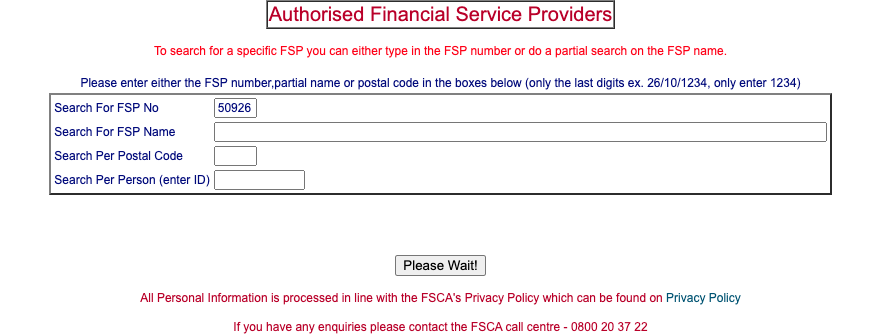
Once we submit the FSP number via the FSCA’s search page, we can see that there is a company called FP Markets with that FSP number.
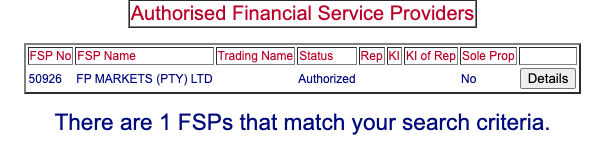
A broker having a legal name different to their trading name is quite common, so it is sometimes difficult to search for a broker by trading name alone using this service. When you can, use the FSP number, or legal name if you know it.
If we click on the Details button, we then have a full overview of FP Markets’ regulatory status:
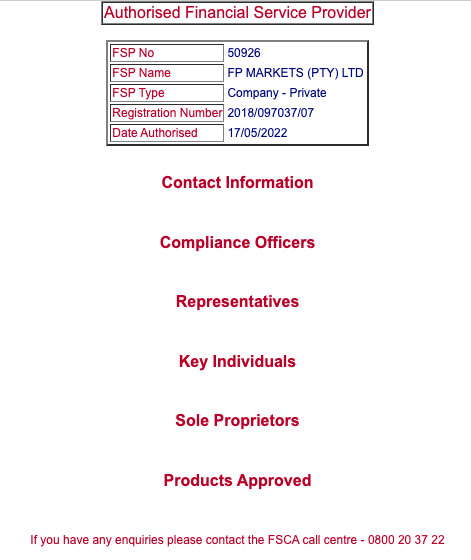
If you are ever unsure whether a broker is FSCA regulated, the FSCA search page is the best place to find out. Be aware that some bad brokers will use names similar to licenced financial services companies so as to confuse people.
Central to the mission of the FSCA are four core statements, which together form the reason why residents want to trade with an FSCA-regulated Forex broker.
The FSCA improves the efficiency and integrity of the South African financial markets. By monitoring the whole financial market and not just any particular entity, it ensures the safety of the entire market, and in doing so, can protect all market participants, including retail Forex traders.
In addition, the FSCA ensures that regulated brokers treat all clients fairly. A client of a regulated brokerage who feels they have been cheated has a legally defined process to resolve their issue. All regulated brokers must have this process available to potential clients.
FSCA-regulated brokers must present written material in a way that does not confuse or mislead the reader. They are required to provide financial education and promote the financial literacy of potential clients. As financial products can be complicated, all regulated members must explain all products and their associated risks.
Finally, the FSCA plays a crucial role in maintaining financial stability in South Africa by supervising registered entities.
A client trading with an FSCA-regulated broker should expect to be treated fairly and be educated on financial products whenever needed, and can rest assured that the government is monitoring their broker’s activities to ensure they are safe and secure.
Previously known as the Financial Services Board (FSB), the FSCA opened in 1991 following the recommendations of Van der Horst led committee. The committee had recommended the creation of an independent body to oversee or supervise and regulate the non-banking financial services sector in South Africa.
After the Van der Horst committee, various acts have increased and expanded the mandate of the Financial Services Board. In 2001, the Financial Intelligence Centre Act and the subsequent amendments that followed later increased the FSB mandate to include issues of combating money laundering.
Later in 2004, the Financial Advisory and Intermediary Services, also known as FAIS, expanded the role of FSB to include, among other things, the conduct of market in the banking sector.
As of April 1st, 2018, the FSB changed their name to the FSCA or the Financial Sector Conduct Authority which is responsible for market conduct regulation and supervision.
A board oversees the Financial Sector Conduct Authority which executes its mandate through divisions. The FSCA has the sole mandate to select its own Commissioner, making the organisation less of a target of the financial politics and pressures. Apart from overseeing the day-to-day running of the institution, the Commissioner acts as the Registrar of the Non-banking Financial Institutions in South Africa.
The authority of the Commission is distributed to Deputy Commissioners appointed by the Minister of Finance, and are supported by the Chief Risk Officer, General Counsel, Media Liaison Officer.
As part of its mission of ensuring that the investment environment in South Africa is sound and conducive, the Financial Sector Conduct Authority has built a strong reputation for its regulatory framework in the following sectors:
The FSCA ensures the cooperation of regulated entities and has the power to impose compensation orders, unlimited penalties and cost orders for those who do not comply. These orders are adhered to as though they are a judgment from South Africa’s Supreme Court, and are a matter of public record.
A customer complaints service is effective in fielding complaints, and a separate self-policing appeals board is available for any aggrieved entity to approach if they feel they may have been aggrieved by either the regulator or any of its executive officers.


Answers to questions South African traders are asking about FSCA-regulated brokers.
No, South Africans can legally trade with any broker in the world. We do recommend that you always trade with a well-regulated broker, regardless of the jurisdiction in which they operate.
While it is not essential for South Africans to trade with an FSCA-regulated broker, local regulation ensures that in the case of broker bankruptcy, your funds will be protected by local laws. FSCA regulation also ensures the segregation of client and broker funds. Many FSCA-regulated brokers also keep their accounts in local banks, resulting in faster deposits and withdrawals.
But there are many well-regulated international brokers who can offer better trading conditions, platform options and market analysis than most FSCA-regulated brokers.
If local protection is important to you, then you should trade with an FSCA-regulated broker.
Every broker regulated by the FSCA is required to post their FSP licence number on their website. If you know the broker’s FSP number or legal name, you can also use the FSCA’s search facility to check on their regulatory status.
Not necessarily. While many FSCA-regulated brokers offer ZAR trading accounts, there are some who do not. If you are looking for a ZAR trading account, check out our page on the best ZAR trading accounts in South Africa.
Explore more resources that fellow traders find helpful! Check out these other guides to enhance your forex trading knowledge and skills. Whether you’re searching for the best brokers, educational material, or something more specific, we’ve got you covered.

Compare the best Forex trading platforms for 2026, including MT4, MT5, cTrader, and TradingView. Find the right tools to enhance your trading experience.

What is Forex trading and how does it work? An easy-to-read guide including how to trade, and how to choose a reliable broker.

Compare FSCA-regulated forex brokers in South Africa by ZAR accounts, local deposit methods, withdrawal speed, spreads, and platform support. Independently tested for South African traders.
60-90% of retail traders lose money trading Forex and CFDs. You should consider whether you understand how CFDs and leveraged trading work and if you can afford the high risk of losing your money. We may receive compensation when you click on links to products we review. Please read our advertising disclosure. By using this website, you agree to our Terms of Service.
Partner Manager and Financial Writer
Head of Content
Financial Writer




Welcome to the FxScouts community! We’re thrilled to have you on board. You’ve successfully signed up for our forex newsletter, where you’ll receive expert insights, market analysis, and the latest news straight to your inbox.
Get ready to stay ahead of the curve with our regular updates designed to help you make informed trading decisions.
Happy trading!
The FxScouts Team